Commercial-Grade vs. Standard Metal Buildings: Understanding the Differences
When researching metal buildings in Sacramento, many property owners focus primarily on price. While upfront cost is certainly important, it should not be the only factor influencing a purchasing decision. The differences between a standard metal building and a commercial-grade metal building extend far beyond the initial investment. Material quality, structural engineering, code compliance, durability, and future flexibility all play a role in determining which option delivers the best long-term value.
At first glance, the two types of buildings may appear similar. Both use steel framing and metal panels, and both can serve as storage, workshop, agricultural, or commercial spaces. However, the way these buildings are designed and constructed can lead to dramatically different performance over time.
Material Quality Matters
One of the biggest differences between standard and commercial-grade metal buildings is the quality of materials used throughout the structure.
Standard buildings often utilize lighter-gauge steel components to keep manufacturing and construction costs lower. While these materials can perform well for basic storage applications, they generally offer less resistance to heavy use, extreme weather, and long-term wear.
Commercial-grade buildings are constructed with thicker steel framing, stronger connection points, and more durable panel systems. Many also feature advanced protective coatings designed to resist corrosion, fading, and environmental exposure. These materials help the building maintain its appearance and structural integrity for decades.
Engineering and Structural Performance
Engineering is another area where commercial-grade structures separate themselves from standard buildings.
Many standard buildings are produced using generalized design specifications intended to meet common requirements. While suitable for basic applications, they may not be optimized for specific site conditions.
Commercial-grade buildings are typically engineered based on location-specific factors such as wind exposure, seismic activity, soil conditions, and snow loads. Structural components are designed to distribute weight more efficiently and withstand higher stresses over time.
This level of engineering becomes particularly important for larger buildings, facilities storing expensive equipment, or structures expected to remain in service for many years.
Interior Flexibility and Clear-Span Design
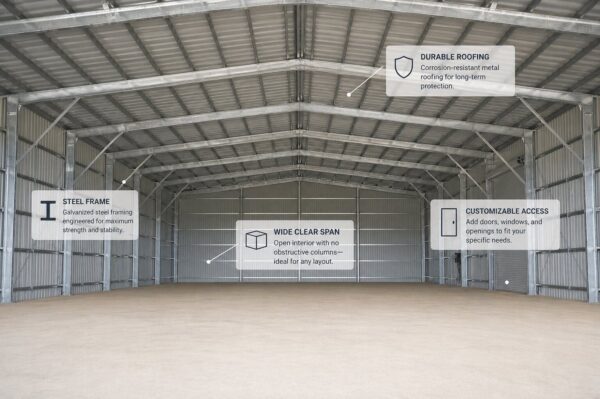
Many commercial-grade metal buildings feature clear-span construction, which eliminates the need for interior support columns. This creates open floor plans that maximize usable space and improve workflow.
For businesses, agricultural operations, and workshops, this flexibility can be a significant advantage. Equipment can be moved freely, storage layouts can be adjusted, and future modifications become easier to implement.
Standard buildings may offer less flexibility depending on their size and structural design.
Designed for More Demanding Applications
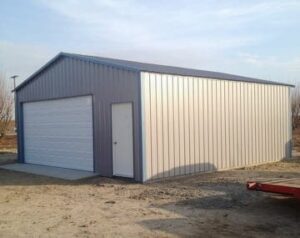
Standard metal buildings often work well for light-duty applications such as:
- Basic storage buildings
- Small residential garages
- Garden equipment storage
- Light hobby workshops
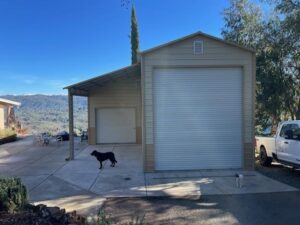
Commercial-grade structures are designed for more intensive use, including:
- Agricultural facilities
- Equipment and fleet storage
- Warehouses
- Service and repair bays
- Manufacturing spaces
- Barndominiums and mixed-use buildings
- Commercial operations
These buildings are better equipped to support plumbing, electrical systems, HVAC installations, insulation packages, and finished interior spaces.
Building Codes and Permitting
Building code requirements continue to evolve, especially in growing regions such as Sacramento and the surrounding communities. Commercial-grade buildings are often engineered to meet stricter standards, making the permitting process smoother for many applications.
This becomes particularly important if the structure may eventually serve a business purpose or undergo future expansion. Starting with a stronger engineering package can prevent costly modifications later.
Maintenance and Long-Term Costs
Many buyers focus on initial purchase price but overlook long-term ownership costs. A lower-cost building may save money today, but ongoing repairs, upgrades, and maintenance expenses can reduce those savings over time.
Commercial-grade metal buildings are generally designed to minimize maintenance. Stronger materials, superior coatings, and more robust engineering help reduce wear and extend service life.
For owners planning to keep a building for decades, this can result in meaningful savings and fewer operational interruptions.
Property Value and Future Expansion
A commercial-grade structure can also provide greater long-term value. Because these buildings are designed with flexibility in mind, they are often easier to expand, renovate, or repurpose as needs change.
What begins as equipment storage today could later become a workshop, business facility, or finished workspace. This adaptability can make the property more attractive to future buyers and increase its overall utility.
Making the Right Investment
The choice between a standard and commercial-grade metal building ultimately depends on your goals. Standard buildings can be an excellent solution for basic storage needs and limited budgets. Commercial-grade structures, however, offer greater durability, stronger engineering, enhanced flexibility, and improved long-term value.
For property owners looking beyond immediate needs, investing in a commercial-grade metal building often provides greater peace of mind and a structure capable of adapting to future opportunities. When evaluating metal buildings in Sacramento, it is worth considering not only what the building needs to do today, but what it may need to do ten or twenty years from now.